Roof repair and leaks
A split vent collar, lifted shingle or loose flashing can admit water while the rest of the roof still has useful service left. We trace the opening and check what a lasting repair has to connect to.
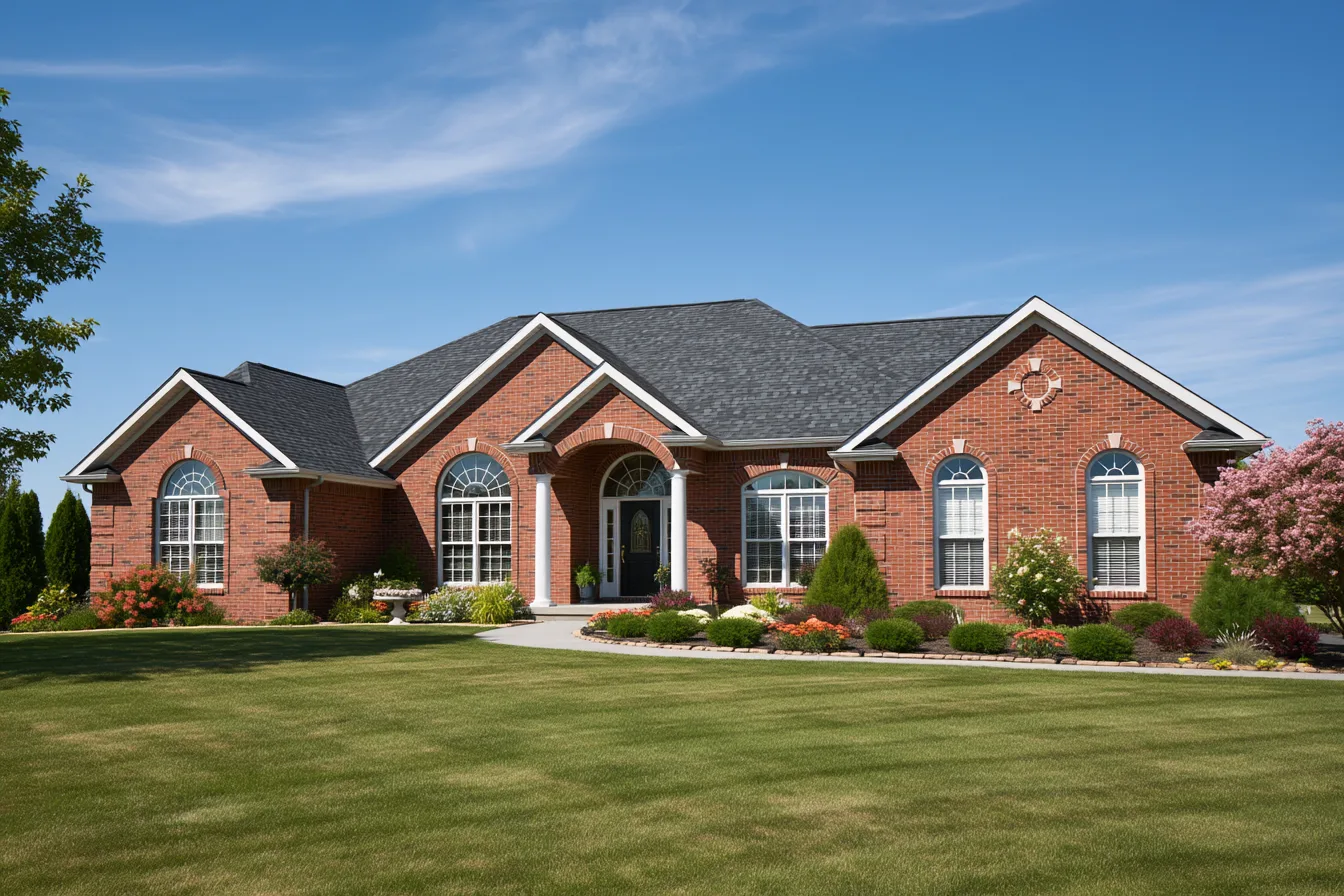
A leak, loose shingles or a roof that keeps needing work should lead to a clear next step. We help Newcastle homeowners and building owners understand the roof, the repair options and when replacement makes sense.
Call about your roof (405) 561-6780
You do not have to know the name of a roof part before asking for help. Tell us about the water coming in, the shingles you found or the project you have in mind. We start with the roof itself and explain the work in plain language.
A free inspection includes a roof walk when access and conditions allow. That close look helps separate a local defect from a wider problem. A repair needs sound roofing around it; a replacement needs a plan for the covering, the deck underneath and the details that keep water out.
The house, garage and shop each need an answer that fits their own roof. We also help Newcastle building owners work through commercial roof leaks, drainage, restoration and replacement without treating every system alike.
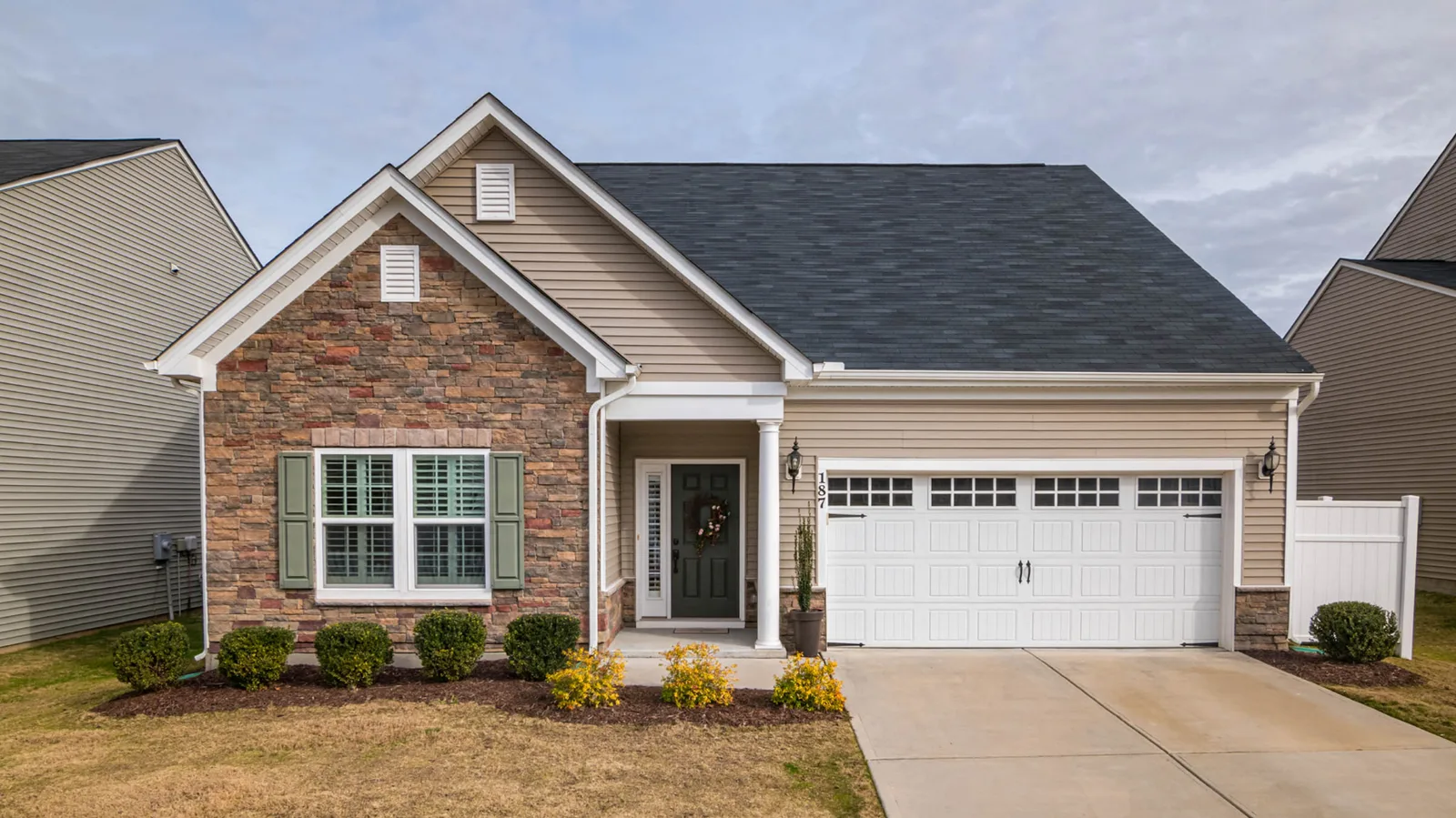
Choose the concern that brought you here. Each service page explains the actual work, the useful options and the conditions that change the scope.
A split vent collar, lifted shingle or loose flashing can admit water while the rest of the roof still has useful service left. We trace the opening and check what a lasting repair has to connect to.
When deterioration extends across a slope or repeated repairs no longer give a sound connection, replacement brings the whole assembly into the decision: decking, underlayment, flashings, ventilation and the new covering.
A roof walk puts the visible condition ahead of a guess from the yard. We check the covering and its interruptions, then explain which findings need repair and which call for a broader plan.
Wind can lift shingles and open seams; hail can damage a shingle beneath its granules. The inspection addresses the roof. Event history and the insurance policy answer separate questions.
The size of the indoor stain does not tell you the size of the roof job. The condition around the opening matters just as much as the opening itself.
A damaged pipe collar or a small group of torn shingles is a local repair when the adjoining covering is workable and the flashing and deck give the new work a sound connection. The repair addresses the entry point rather than covering the symptom with more sealant.
Water that has softened wood or soaked the layers beneath a defect widens the work. The affected materials need attention before the roof can be closed back up. That discovery changes a repair scope even when the visible surface damage is small.
Brittle shingles, repeated failures and widespread damage leave less reliable material to repair into. We explain replacement alongside repair when rebuilding a larger part of the roof is the more useful decision.
Architectural asphalt shingles create a layered appearance and suit many pitched house roofs. Their style tier describes their construction and appearance; an impact rating is a separate product test. Color and thickness alone do not establish hail performance.
Metal roofing changes the details as well as the look. Standing seam systems conceal their primary fasteners, while exposed-fastener panels leave the fasteners and washers accessible at the surface. Both need the right slope, transitions and allowance for movement.
A low-slope addition or commercial roof needs its own system. Membrane seams, roof edges and drainage perform different jobs from overlapping shingles. We choose the assembly around the roof shape and building use, then discuss appearance and maintenance.
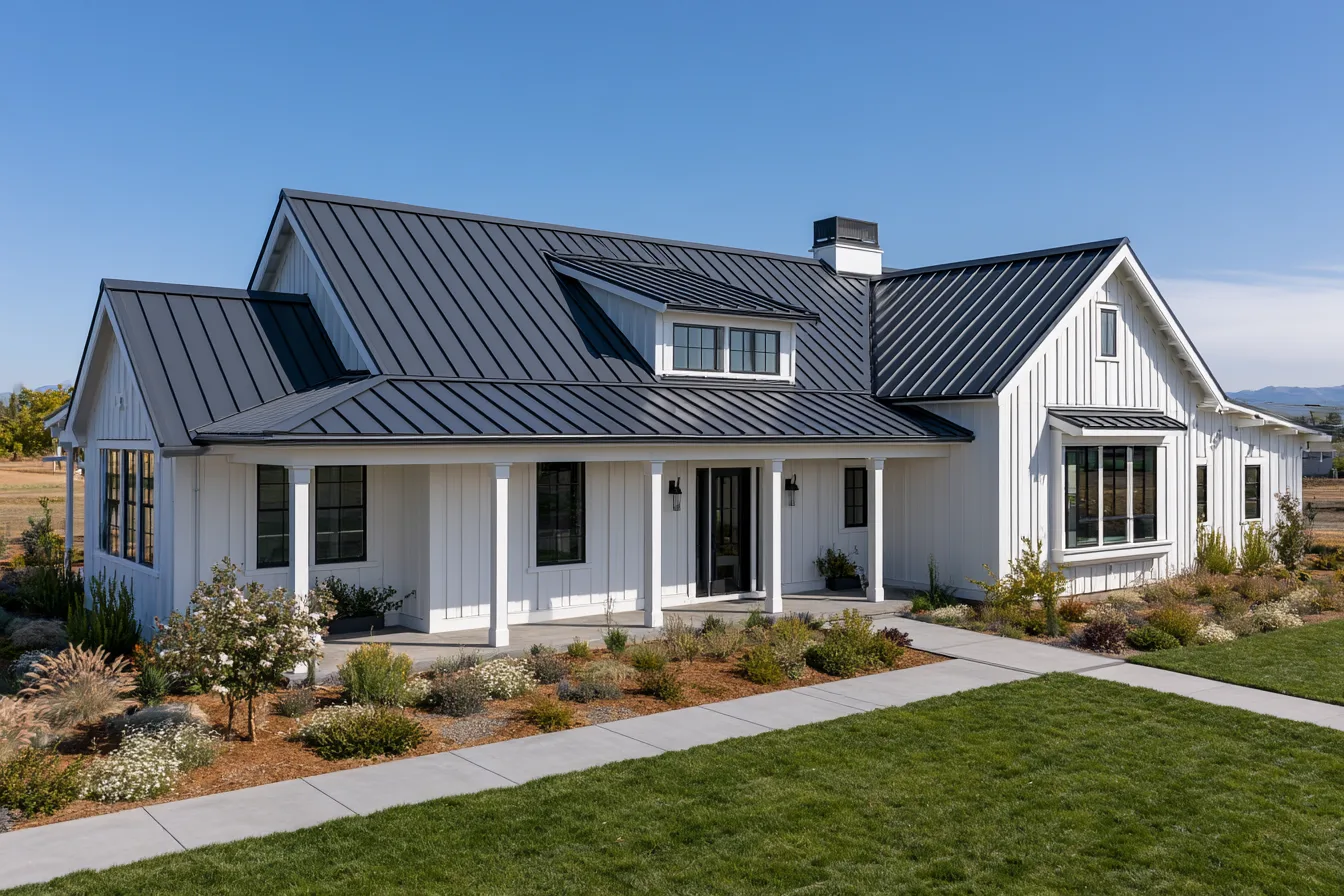
For an architectural asphalt replacement, a 2,000 sq. ft. measured roof-surface planning example is $9,000 to $15,000. The model assumes one existing layer, normal access, moderate complexity and usable decking. The final scope comes from the property.
| Part of the roof job | Why it changes the budget |
|---|---|
| Measured roof surface | Why it changes the budgetThe sloped roof surface is the area being covered. Living space and the footprint under the roof do not describe the same amount of work. |
| Decking and removal | Why it changes the budgetAdditional layers take more work to remove. Soft or damaged deck areas need replacement before the new assembly can be fastened to them. |
| Shape and connections | Why it changes the budgetSteep sections, intersecting slopes, walls, skylights and other penetrations add details and access demands that a simple open slope does not have. |
| Material and complete scope | Why it changes the budgetThe selected covering, ventilation changes, flashings and separate gutter or structural work change the project. The asphalt example does not price metal or low-slope systems. |
Oklahoma/OKC-area illustrative planning model checked October 27, 2026. Supported asphalt scenarios cover 1,500 to 3,000 sq. ft. of measured roof surface. Permit fees, structural work, extra layers, damaged decking and optional upgrades need their own allowance.
After a storm, stopping new water entry and deciding on the permanent roof work are connected steps. If water is coming in, call and say so. Stay away from sagging ceilings, electrical hazards and roof debris.
A suitable temporary covering can limit exposure while the roof is being evaluated. The damaged area, wind, roof access and safe attachment determine what protection can be used. A temporary covering is not the final repair.
The inspection checks lifted or missing shingles, impact damage and the details at edges, vents and walls. Repair is useful when it can reconnect to sound material. Wider damage needs a larger scope. Insurance coverage depends on the policy and cause, rather than the presence of a storm report alone.
A roof leak over an occupied building affects the business below it. We look beyond the wet ceiling tile to membrane seams, equipment curbs, wall flashings, drains and the roof layers that carry the water away.
A local repair addresses a defined defect in a serviceable assembly. Restoration adds a compatible protective surface after the roof has been repaired and prepared. Wet insulation, loose components or failing attachment can make a coating-only approach unsuitable. Replacement addresses those wider assembly problems and creates an opportunity to correct drainage.
Access routes, rooftop equipment and tenant entrances belong in the work plan. Repair, TPO, coatings and replacement each need a scope that fits the existing assembly and the way the building is used.
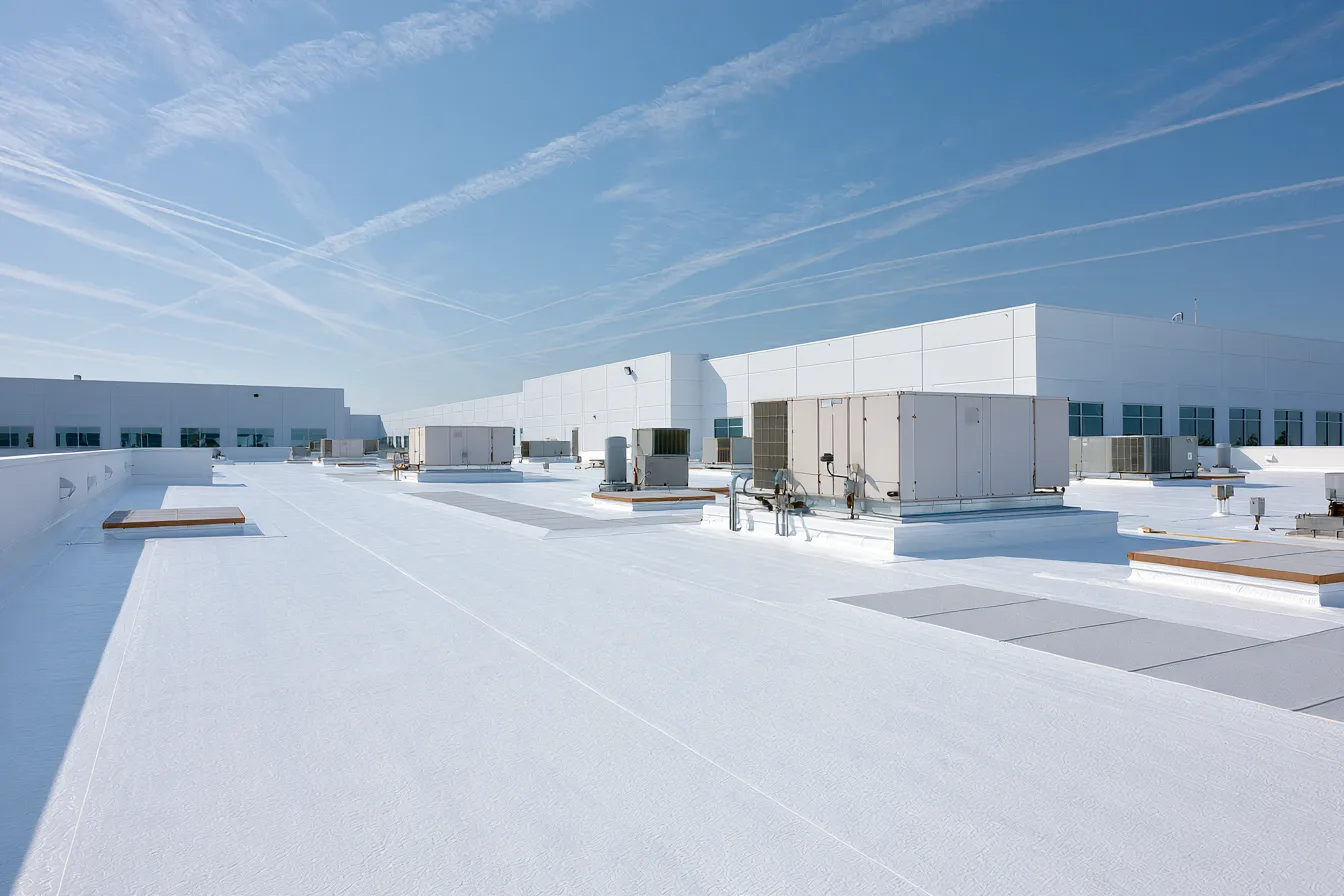
We help with residential and commercial roof concerns across Newcastle. Use the coverage guide for local orientation, or send the property address with your roofing request.
Find coverage information for Newcastle properties and the established areas named in the local guide.
Work through roof costs, shingles, permits and insurance terms with practical tools and explanations.
Yes. The inspection is free, and a roof walk can reveal details that are not visible from the ground. Tell us what changed or what you are planning; you do not need to diagnose the problem first.
Yes. We help Newcastle homeowners and building owners with repair, replacement and inspection questions. The commercial roofing guide explains roof systems, drainage and occupied-building concerns in more detail.
No. A local defect can be repaired when the surrounding roof and underlying connections are sound. Deterioration across a wider area, brittle shingles or damaged layers change that decision. We start with the condition rather than the size of the ceiling stain.
Tell Newcastle Roof Pros where the property is and what brought the roof to your attention. We can start with a leak, storm concern or a project you are planning.